
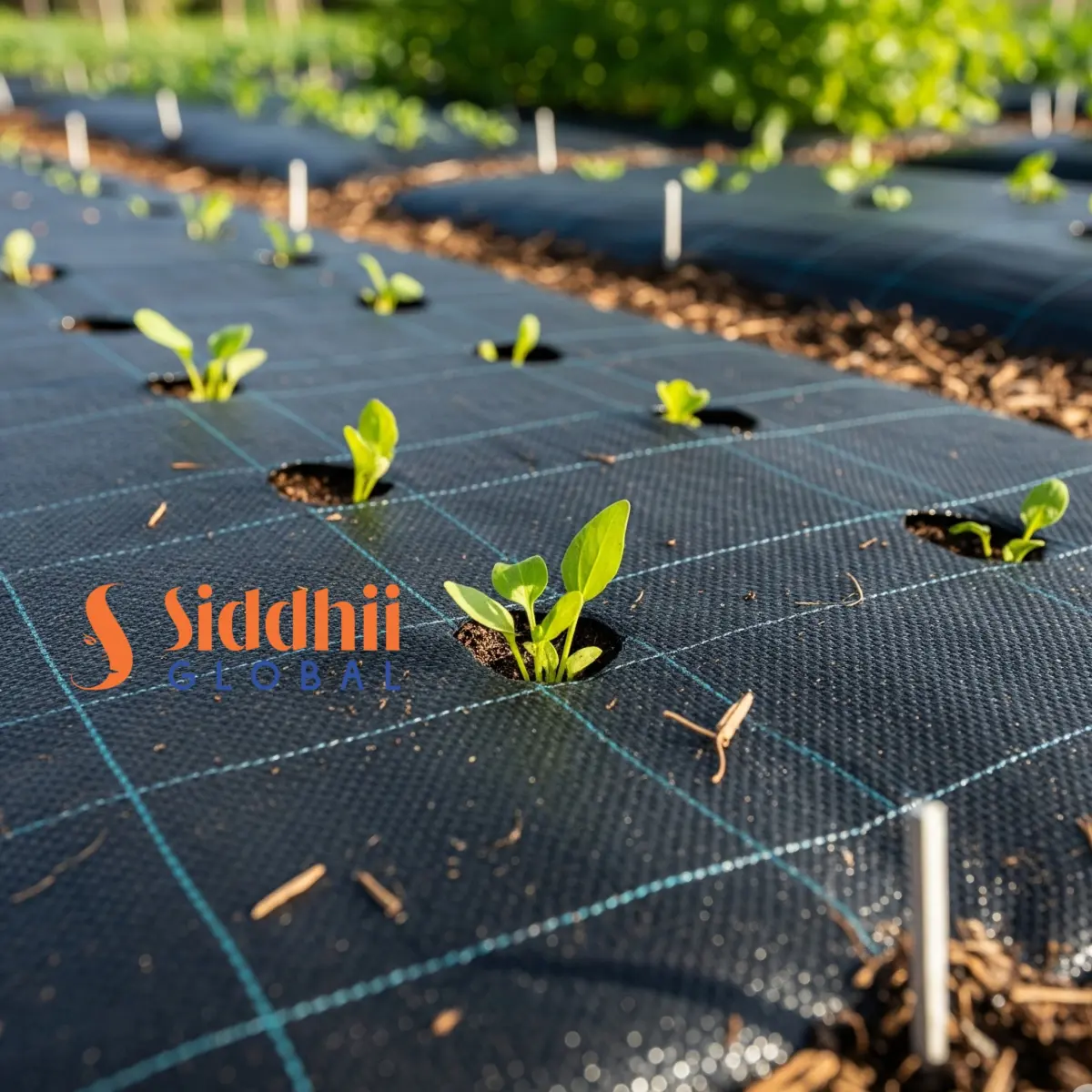
10 Weed Mat Mistakes That Waste Money (And Quick Fixes)
Ninety percent of "weed mat doesn't work" complaints trace back to one of ten avoidable mistakes — in buying or in installation. The fabric is rarely the culprit. If your ground cover is letting weeds through, lifting at the edges, or aging faster than promised, find your mistake below; every one comes with a fix that costs minutes or a few hundred rupees, not a new roll.
1. Buying on price without checking GSM
The cheapest roll on the market is usually under 80 GSM, which means 1–2 seasons outdoors. Buying twice is more expensive than buying once. Fix: Always ask the GSM in writing before ordering; 100 GSM is the standard for lasting work — the buying guide explains the grades.
2. Laying over stones and stubble
Every sharp object under the fabric becomes a pressure point that wears the weave from below. This one error shortens fabric life by years. Fix: One thorough raking pass before laying. If you already laid over rough ground, expect patching — offcuts from the same roll repair worn spots with a 15 cm overlap.
3. Skipping pins to "save" ₹500
Unpinned edges lift in the first real wind, pump soil out from under seams, and tear along fatigue lines. A ₹500 pin box protects an ₹8,000 roll. Fix: Pin edges every 50–100 cm and overlaps every 50–75 cm — the pinning guide has exact spacing. Already lifted? Re-flat and pin now, before the fold line tears.
4. Overlaps too small — or backwards
Under 15 cm, weeds thread through seams within a season. And an overlap laid against the water flow funnels runoff under the fabric, hollowing the seam. Fix: 15 cm minimum, upstream strip on top, shingle-style. Re-check your seams after the first heavy rain.
5. Cutting planting holes too big, too early
A 30 cm hole around a 5 cm seedling is a weed pot with sunlight and irrigation — the exact conditions the fabric exists to deny. Fix: Cut slits at transplant time, only as large as the root ball. Existing big holes: close them with a patch piece or tuck a folded offcut into the gap.
6. Wrong product entirely
Tarpaulin, pond liner and plastic sheet get sold as "ground cover" on marketplaces. Waterproof material suffocates soil, pools rainwater and cooks roots. Fix: Pour water on your fabric — it should pass through in seconds. If it beads, you own sheeting, not weed mat; the fabric-type guide and plastic comparison help you return or repurpose it.
7. Using fabric where it cannot live
Ground cover suits beds, basins, floors and paths — areas that stay put. Laying it across a plot you deep-till every season shreds it in one pass of the tines. Fix: Restrict fabric to semi-permanent areas. The worth-it guide lists where fabric does and does not fit.
8. Ignoring the edges of the plot
Weeds seed from unmown boundaries and grass runners breach fabric edges from outside. The best-laid interior cannot fix an open perimeter. Fix: Carry the fabric 20–30 cm past the planted area, or install a buried-edge trench. Maintain the outer margin — a trimmer pass monthly protects everything inside.
9. Letting debris pile on top
Leaf litter and spilled media composting on the fabric become a shallow potting bed where airborne seeds root — weeds growing on your weed mat. Fix: Sweep or blow the surface fortnightly. Keep any mulch layer above fabric under 3 cm so it stays too dry on top for seeds. This is 90% of the maintenance the system asks.
10. Storing spare fabric in the sun
Fabric rolls left outdoors in UV age before installation — the outer turns brittle while the inside stays perfect. Fix: Store spare rolls wrapped, dry and shaded. Sun-damaged outer layers: unroll and discard the first metre; the rest is usually fine.
Fixing a project that already went wrong
Almost every installed mistake is recoverable without full relay. Walk the fabric once, list your failures from the ten above, and work them in order: re-pin edges (30 minutes), correct or patch bad seams (per-seam minutes), shrink oversized holes with patches (minutes each), clear debris (a fortnightly habit from now on). The only mistake that truly costs a relay is #6 — and that is a buying problem, not an installation one. Fabric that is correctly specified and correctly fixed simply works, season after season; the lifespan guide tells you what years of service to expect once the mistakes are out.
Frequently Asked Questions
Why are weeds growing through my weed mat?
Almost always through seams under 15 cm, oversized planting holes, or debris-layer weeds on top — not through the weave itself. Find the route, close it with patch or pin.
Can I fix lifted weed mat edges without re-laying?
Yes — flatten, clear any soil hollow beneath, and pin at half the normal spacing. If a fatigue fold has formed, patch over it with an offcut before it tears.
How do I know if I bought real weed mat?
Water should soak through in seconds, the weave should resist a hard pull without fuzzing, and the seller should state GSM. Failures on any check mean the wrong product.
What is the single biggest installation mistake?
Skipping ground preparation. Stones and stubble under fabric cause puncture wear that no pin or patch prevents. One hour of prep adds years of life.
Installing fresh or re-doing a section? Start from the step-by-step installation guide, pick fabric with the buying guide, and set your expectations with the 2026 price maths.
Shop the products mentioned
Premium weed control mats & jewellery — free shipping above ₹999.