
How to Read a Product Page Before You Buy (Photos & Specs)
Most disappointed online buyers were not scammed — they skimmed. The information that would have saved the order was on the product page all along: in the third photo, in the spec table's second row, in a review with three stars. Reading a product page properly is a skill, and like every skill it is mostly about knowing where to look. Here is the full method, from the people who write these pages and know exactly which corners get cut.
Photos: read them in a fixed order
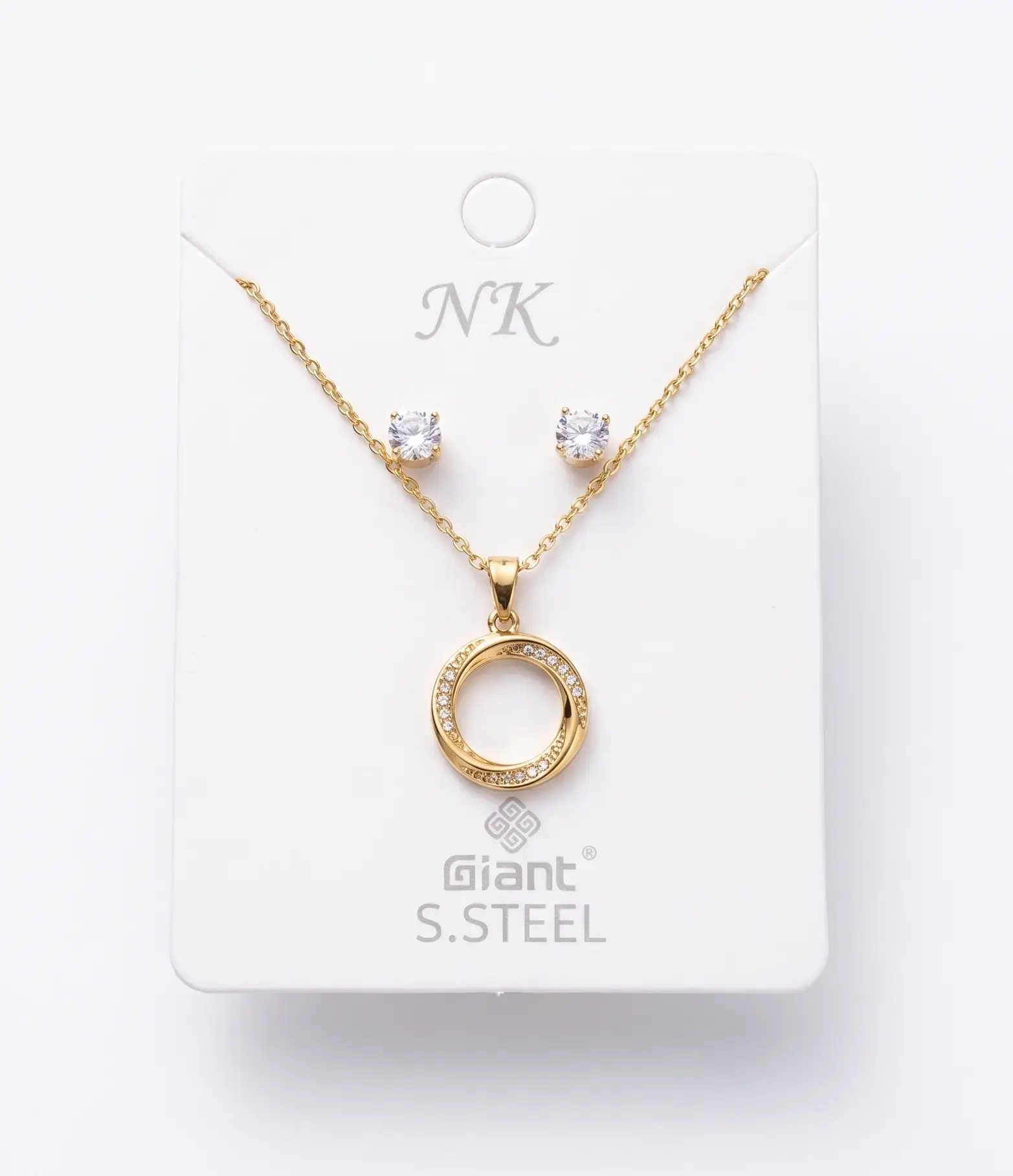
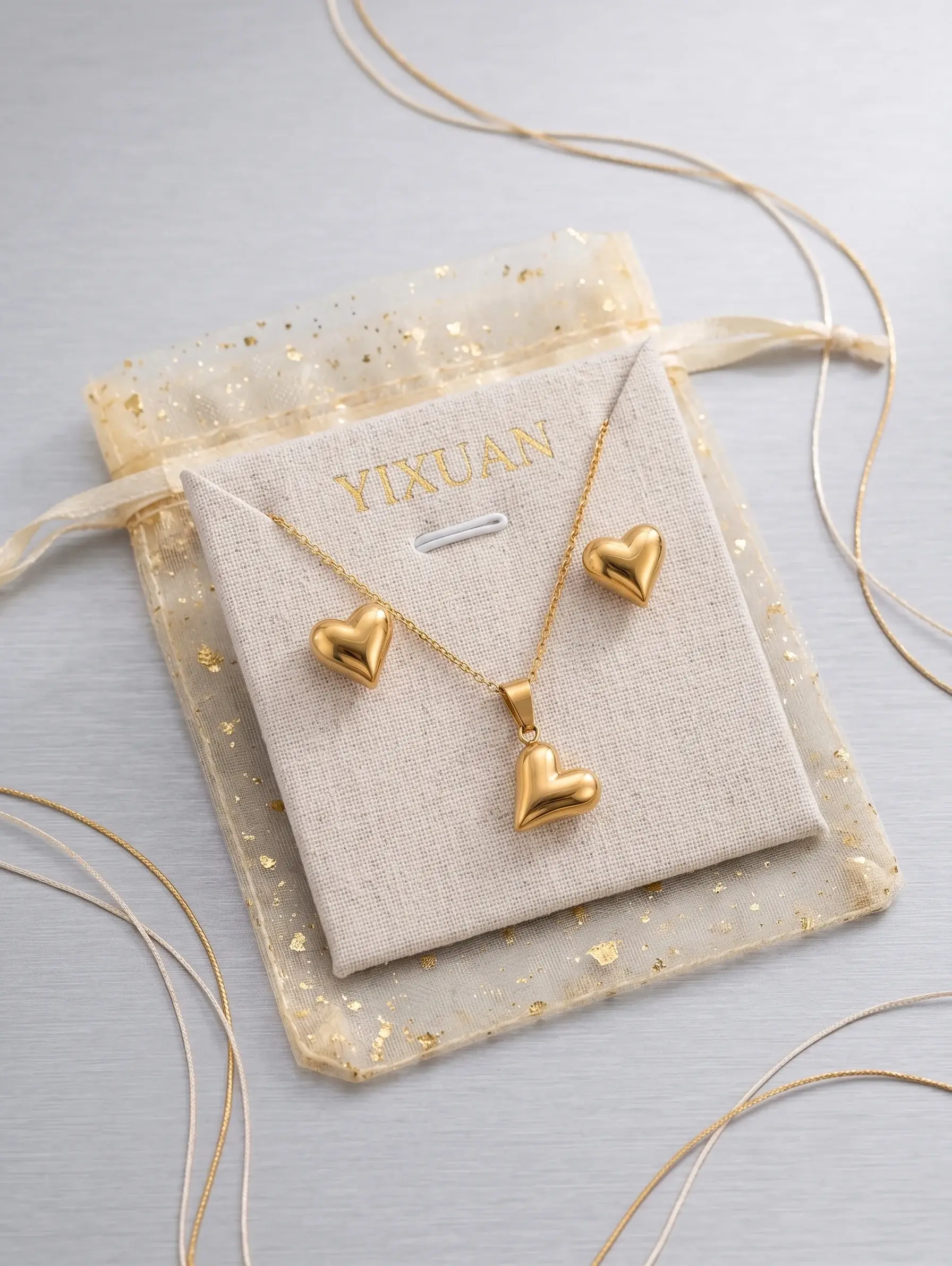
Do not swipe and admire — read with intent. First photo: the studio shot, tells you nothing except the product exists. The real information lives in photos two to five: the scale shot (product next to a hand, a coin, on a person — jewellery especially lives or dies on scale), the angle shots (a pendant's clasp, a mat's weave close-up), and the in-use shot. Count the photos too: genuine stores show 4-8 real angles; stolen listings show 1-3 borrowed glamour shots. And read the background: consistent backgrounds across a store's catalogue mean one team, one camera, one warehouse — the quiet signature of a real seller.
The title and description: what is claimed vs what is implied
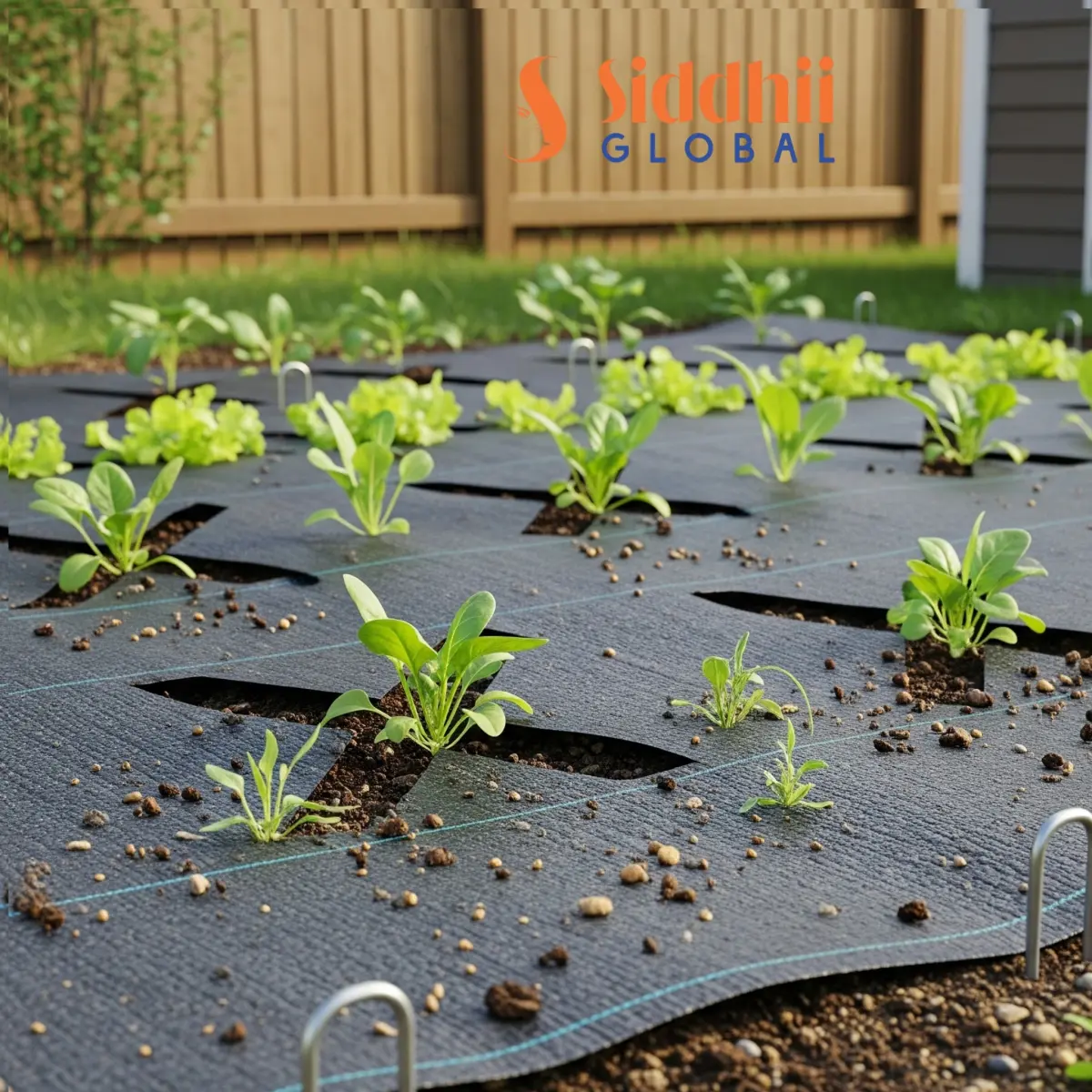
Titles carry the headline claim ("100 GSM", "gold tone", "with studs"). Descriptions carry the fine print. Train your eye on four words: GSM or denier for fabrics (weight = durability — our weed mat buying guide explains why 100 vs 120 GSM changes everything), plated vs solid for metal (plated is normal and fine; "solid gold" at ₹249 is a lie), set includes for anything bundled (count the pieces — "jewellery set" can mean two pieces or four), and dimensions written in numbers rather than adjectives. Any spec that matters and is missing from the page is worth one WhatsApp message — genuine stores answer spec questions fast because it is easier than processing a disappointed return.
Size and quantity: the classic traps
The two most common self-inflicted disappointments, and both are preventable in ten seconds. Size: photos make everything look generous — read the written dimensions and physically compare against something you own (a 1.2 m mat is exactly the width of a standard door; a 45 cm chain sits at the collarbone). Quantity: check whether the price is per piece, per set or per roll — fabric and packaging categories are notorious for per-metre pricing that reads like per-roll until the invoice arrives. The product page that answers both clearly is doing its job; the one that hides quantity behind "starting from" pricing is telling you how its invoices feel.
Price: read the whole structure
A product's real cost on small stores often includes things listed outside the price tag: shipping (free above a threshold? charged flat?), GST (included or added at checkout?), and bundle economics (the 4-piece set at ₹499 versus four singles at ₹650 — the set-vs-separate maths shows how big that gap gets). Read the crossed-out MRP with polite suspicion and compare against the street price you actually know. The honest number is the one that makes sense next to the store's other products, not the one with the biggest strikethrough.
Reviews: mine them for your specific worry
Do not read reviews to decide "good or bad" — read them to answer YOUR question. Worried about durability? Search the reviews for the word "month" or "last". Worried about colour accuracy? Look for reviews with photos. Worried about delivery to your type of address? Reviews mention delivery experience constantly. Three-star reviews are the most information-dense objects on any product page — five-star reviews say "nice", three-star reviews say "product good but chain slightly thin, arrived in 4 days to Indore". That sentence just answered three of your questions.
The Q&A and the footer of the page
Two neglected zones worth thirty seconds. The questions section (if the store runs one) shows what real buyers worried about — and whether the store answers with specifics or marketing. The page footer area shows what the store ships with: policy links, contact, care guides. A product page that links to a care guide or an installation guide belongs to a store thinking about your experience after payment — that is the posture you want to buy from.
The 60-second product page ritual
Photos 2-5 with intent, four keywords in the description, written dimensions against something you own, quantity and shipping in the price structure, reviews mined for your worry, Q&A and footer for the store's posture. Sixty seconds, and your "it looked bigger in the photo" and "I thought it was a set of four" disappointments mostly disappear. The remaining risk lives in the store itself — which the genuine-store checks cover, and the delivery side the order journey guide handles.
Product page FAQs
What is the single most important thing to check on a product page?
Written dimensions and quantity, in numbers. Photo impressions account for most disappointment; the spec row prevents it. If dimensions are missing entirely, that absence is itself the answer about the store.
Are product photos on small stores trustworthy?
When they are the store's own — consistent backgrounds, multiple angles, real scale shots — very much so. Reverse-image-search one photo if unsure; a stolen catalogue shot across multiple brands is the clearest warning you will ever get.
How do I compare GSM claims across listings?
Insist on the number, not adjectives — "heavy duty" means nothing, "100 GSM woven polypropylene" is checkable. Then compare price per square metre rather than per roll, since roll sizes vary; our per-sqm cost guide does the maths.
Should I trust five-star ratings with no written reviews?
Treat them as weak evidence — ratings without text carry little information either way. Weight the three-star written reviews and any review photos far more heavily, and if the store is new, let a small first order be the review.
What if the spec I need is not on the page?
Ask the store directly before paying — spec questions get fast, specific answers at genuine stores, and the response speed doubles as your trust test. A store that cannot tell you its own product's measurements should not get your order.
Shop the products mentioned
Premium weed control mats & jewellery — free shipping above ₹999.