
How a Small Indian Store Packs Your Order (Behind the Scenes)
Nobody thinks about packing until it fails. The jewellery set arrives with a cracked stone card, the roll arrives damp, the box rattles — and suddenly packing is the most interesting subject in the world. From the other side of the table, where the tape gun lives, packing is where a store's real character shows: not in the product photos, but in the fifteen boring decisions made between "order received" and "handover scan". Here is how it actually works at a small store like ours, decision by decision.
Step one: the check that nobody films
Before anything gets packed, somebody stands at the shelf and checks the item against the order — not against hope. The right variant (gold set, not the similar one), the right quantity, and the condition: stones seated properly, plating clean, no fingerprints; fabric unrolled a metre to inspect the weave, edges trimmed, length honest. This is also where gift orders get their special pass — the note you wrote gets printed or handwritten, folded into the box, and the price is stripped from any paperwork going to a gift address (a request we take seriously — the gifting guide mentions it, and buyers rarely realise how much it matters until they receive one).
Jewellery: the small-box problem
Jewellery packing is a study in small things. Each set goes into its poly bag with its presentation card — because a pendant sliding loose against studs is how scratches are manufactured. The bag goes into its box, the box gets a tissue wrap, and then the whole thing gets the gentle-aggression treatment: enough cushioning that the box does not travel inside the shipping carton, not so much that it arrives excavated. The shipping carton itself gets the shake test — pack, seal, shake. Rattle means one more layer. This is also why we photograph finished jewellery parcels: on the rare damage claim, the resolution starts with both sides having pictures.

Fabric and rolls: the weight problem
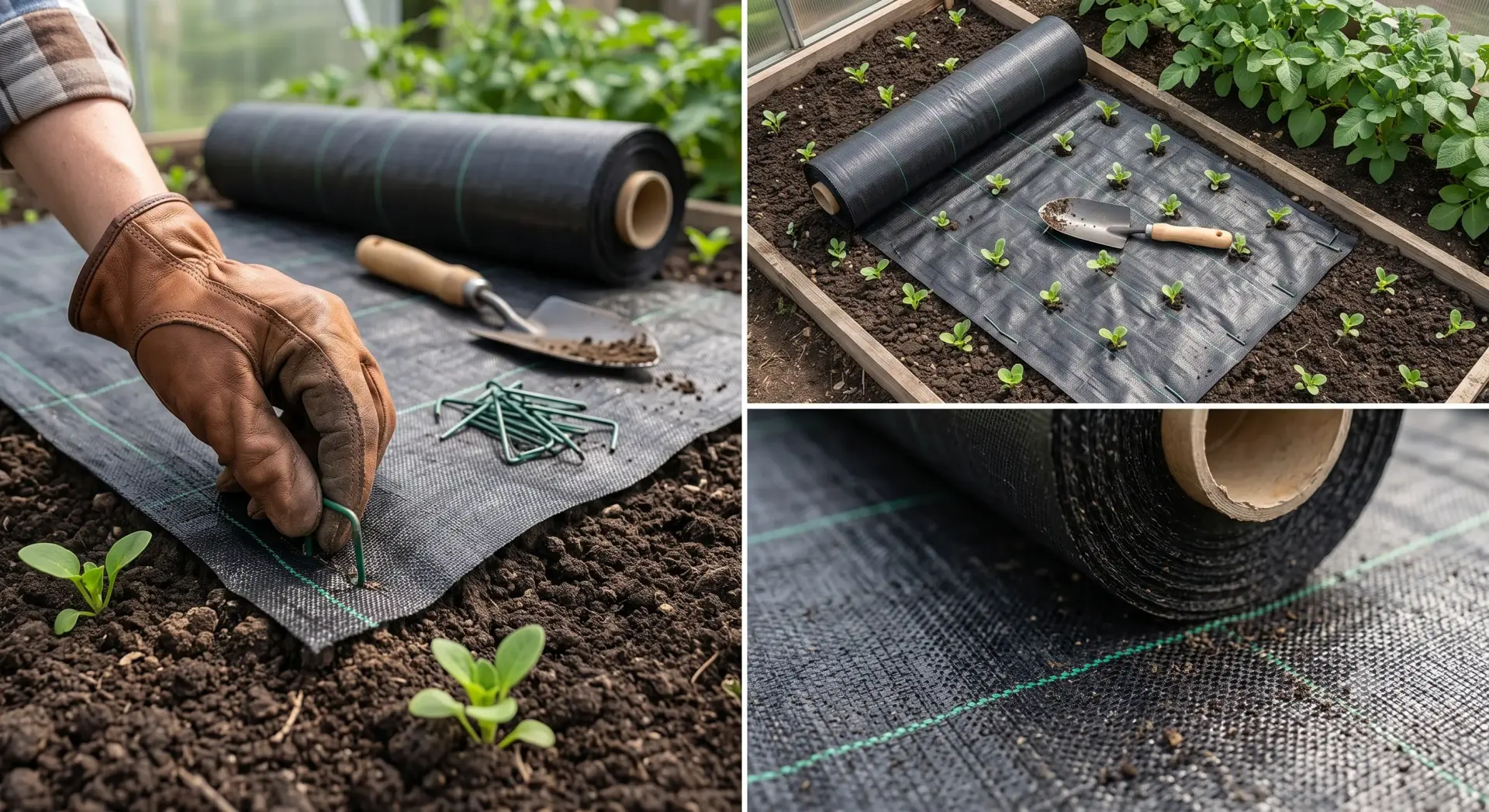
Rolls and mats are the opposite challenge — not fragile, but heavy, damp-sensitive and dimensional. A 100-metre roll goes into moisture-proof wrap first, because the biggest fabric-killer in Indian transit is not crushing, it is a monsoon week in a truck (the delay reality makes this a when, not an if). Then the roll is taped at the core so it cannot unwind, labelled with the spec written in numbers — GSM, length — so the receiving side of the journey knows what it is carrying, and edge-protected where the wrap meets the core. Heavy parcels also get their weight honestly declared; under-declaring weight to save courier money is how parcels get held at hubs, and that is a saving that costs three days.

The order merge and the label
Multi-item orders get one more decision: merge into one box or split into two? Merging saves you shipping but couples the parcels' fate; splitting doubles boxes but halves the risk. Our rule of thumb: merge light compatible items, split anything where one item's failure should not punish the other. Then the label — and the understated hero of the whole system, the address block: name, full number, house/flat number, landmark, pincode. We print labels from the order as written, which is why the checkout address field is the single highest-leverage thing a buyer controls (the journey guide shows exactly where a thin address fails).
Handover: the moment the store stops being responsible
Packing ends at the courier counter, and this last step has its own craft: hand over before the day's pickup cut-off (miss it and the parcel ages a day before its journey even starts — the difference between "dispatched today" and "picked up today"), collect the handover receipt, and log the tracking number into the order so the buyer's first status message is proactive, not a response to panic. From the scan onward, the courier owns the clock and the store owns the communication — which is why good stores watch the tracking like hawks for the first 48 hours, the window where most jams (the status decoder covers them) announce themselves.
What buyers can learn from the packing table
Three buyer-side takeaways that cost nothing. Write complete addresses — the packing table cannot fix a thin one, only the checkout can. Open parcels sensibly — the box is engineered to protect contents from transit, not from kitchen knives; cut along the tape, not across the contents. And when something does arrive wrong, photograph the item AND the packaging before unpacking everything — the claim's strength is built in those first sixty seconds, exactly as the returns guide describes. Packing is a two-party sport: the store engineers the journey, and the buyer controls the first and last metre.
Packing FAQs
Why do some parcels arrive in plain boxes with no branding?
Usually deliberate — unbranded packing protects gift surprises, avoids advertising contents (a jewellery label on a box invites theft attention), and saves cost that would otherwise sit in the price. Plain outside, careful inside is the small-store standard.
Is it normal for a roll order to arrive in two pieces of wrap?
The wrap is layered — moisture barrier first, tape reinforcement second — and one layer may look scuffed while the product inside is untouched. Check the product itself; wrap damage only matters if the contents show it, and then it is claim evidence, not a verdict.
Can I request special packing for a gift?
Almost always, yes — message before or with the order: gift note text, no-price-on-paper, sometimes a specific delivery date. Small stores accommodate these requests gladly because they are easy at the packing table and enormous at the receiving door.
What should I do if the outer box arrives crushed?
Open it with the delivery person present if possible, photograph box and contents immediately, and report the same day with pictures — crushed-box-plus-intact-product closes as "no issue", crushed-box-plus-damage opens a claim per the returns process. The photos decide everything, so take them first.
Why do stores sometimes split one order into two parcels?
Weight limits, size limits, or risk-splitting — a fragile item and a heavy one travel better apart, and a stock split (one item ready, one arriving from the second shelf) beats holding your whole order for a day. Your tracking will simply show two parcels, both yours, same order number.
Shop the products mentioned
Premium weed control mats & jewellery — free shipping above ₹999.