How to Buy Pendant Necklace Online in India: 7-Point Check
The first pendant set we ever sold online came back with a question that has shaped how we list products ever since: "photos me accha lag raha tha, aa ke pata chala chain patli hai". Online jewellery buying fails for boring, predictable reasons — not because the design is bad, but because nobody told the buyer what to check. So here is the 7-point check we ourselves use before stocking any pendant set, written the way we wish someone had written it for you.
1. Chain quality: the part everyone forgets to check
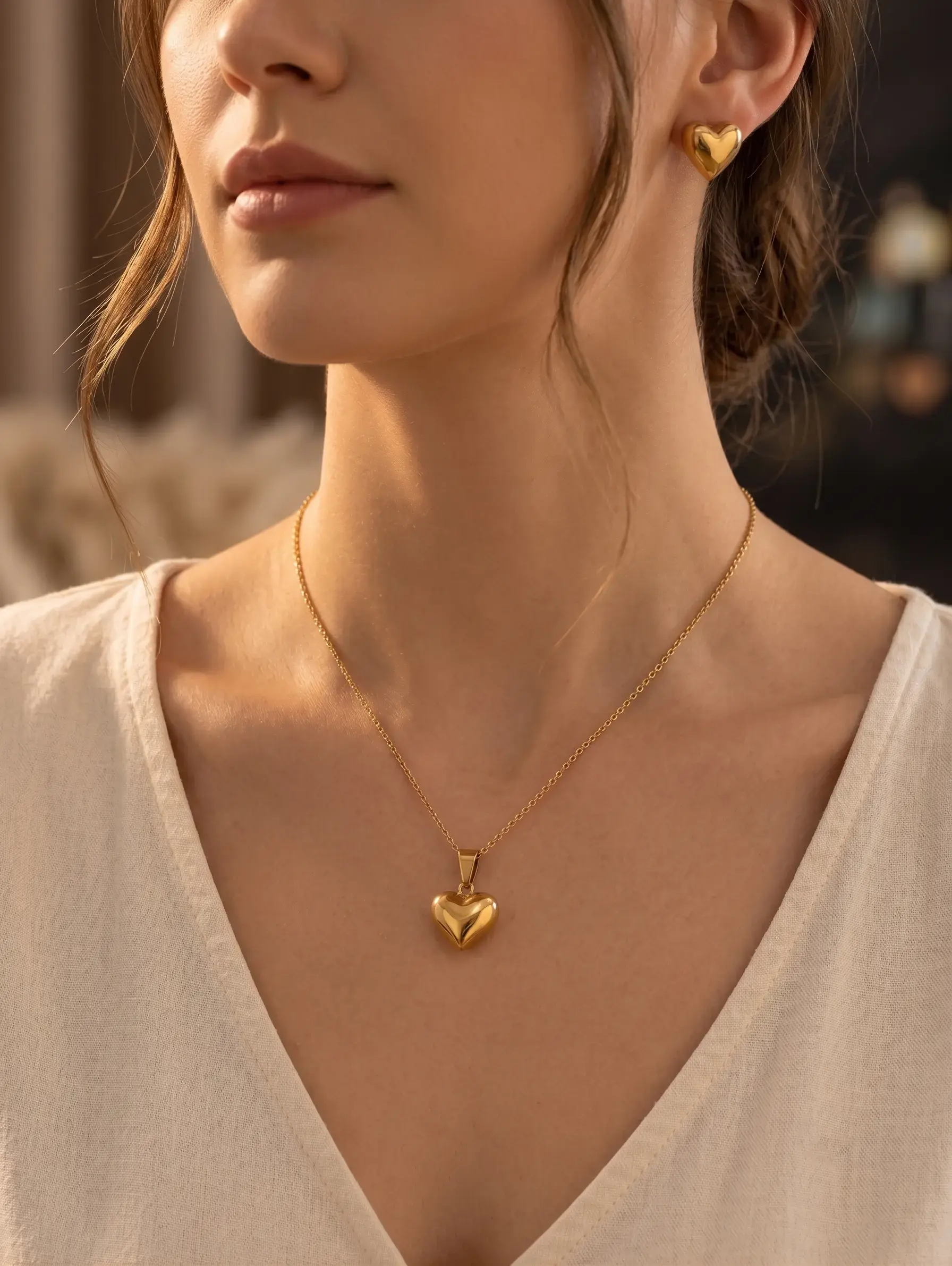
The pendant gets all the attention, but the chain is where cheap sets fail first. Look for three signals in the listing: chain thickness (if the photo shows a wire-thin string, expect tangles and snaps), link type (cable and rolo links hold up; invisible micro-links on ultra-cheap sets do not), and whether the chain is part of the product or "sold separately". Every pendant set we stock — like the heart pendant with studs — comes as a matched chain-and-pendant unit tested for daily wear, because a pendant without a trustworthy chain is a brooch.
2. Plating type and tone
"Gold colour" and "gold plating" are different claims. Plated finishes hold tone for months of regular care; sprayed colour finishes dull in weeks. In photos, look for a warm, consistent tone across chain and pendant — mismatched tones mean assembled-from-parts sets. One honest note: no fashion jewellery matches 22k gold exactly. What good plating does is read as "warm gold" in everyday light, which is what you actually want. If a listing promises "just like real gold", treat it as the red flag it is.
3. Stone quality: CZ vs glass vs "stones"
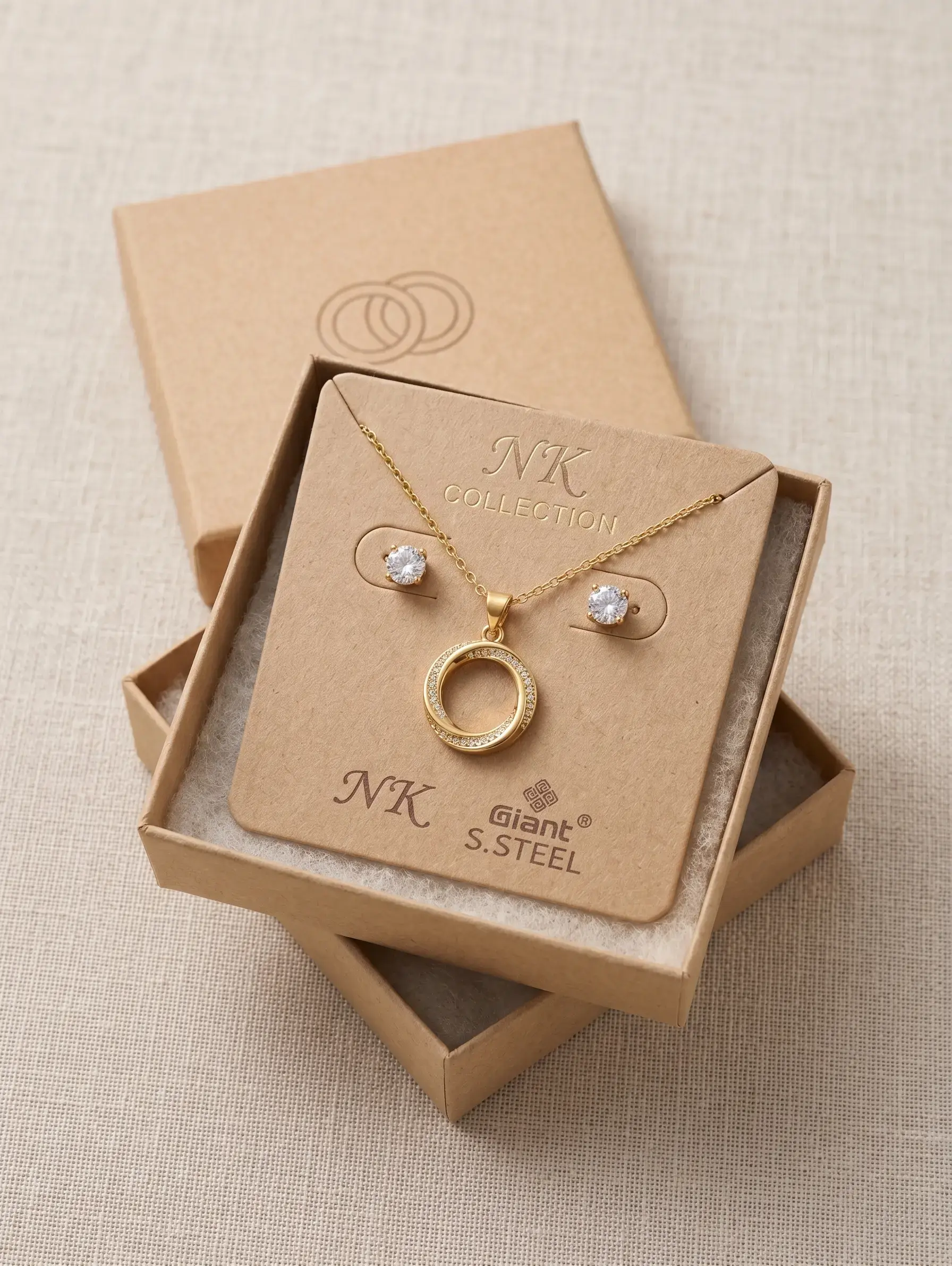
Three tiers exist in the market. Glass stones are flat, get cloudy, and scratch within weeks. Unclear "stones" (undisclosed material) are a lottery. Cubic zirconia is the good tier — high refractive sparkle, hardness close to sapphire on the Mohs scale, and it stays crisp under camera flash and fairy lights alike. Any serious listing will say CZ explicitly; ours do, like the circle pendant with CZ studs. If stones are not named, assume the bottom tier.
4. Clasp type
Lobster clasps are the reliable standard — spring-loaded, easy to open, secure on the neck. S-hooks and ring toggles on budget sets look cute and lose necklaces at weddings. If the listing photos show the clasp, judge it. If they hide it, that itself is information. We photograph the clasp on our sets because it is one of the first things returning customers say they checked elsewhere and wished they had.
5. Length and where it will sit
A 40-45 cm chain puts the pendant at or just below the collarbone — the most versatile zone for kurtis, shirts and sarees alike. Much shorter and it reads like a choker (fine, but a commitment); much longer and it swings around during a normal day. If you are buying for office wear specifically, stay in the 40-45 cm zone. For gifting without knowing her preference, the same zone is again the safe default — which is where our sets sit.
6. Seller signals that actually predict experience
- Do they sell jewellery as a category or as an afterthought? A store with a jewellery section, care guides and repeated designs is accountable to its customers; a random listing is anonymous.
- Can you reach a human? WhatsApp support beats a contact form when your order is stuck before a function.
- Do repeat customers exist? Reviews mentioning "ordered again" or "gifted to my sister" are the strongest quality signal a ₹249 listing can carry.
7. The care reality check
Every pendant set, whatever the price, lives or dies by the care routine. Water, perfume and open-air storage are the three killers in that order. Before buying, ask yourself honestly: will she wipe it and pouch it, or will it live on the bathroom shelf? If the honest answer is the shelf, buy two sets at ₹249 and rotate them — that costs less than one "premium" set and outlasts it. The full two-minute routine is in our artificial jewellery care guide.
Where this leaves your next order
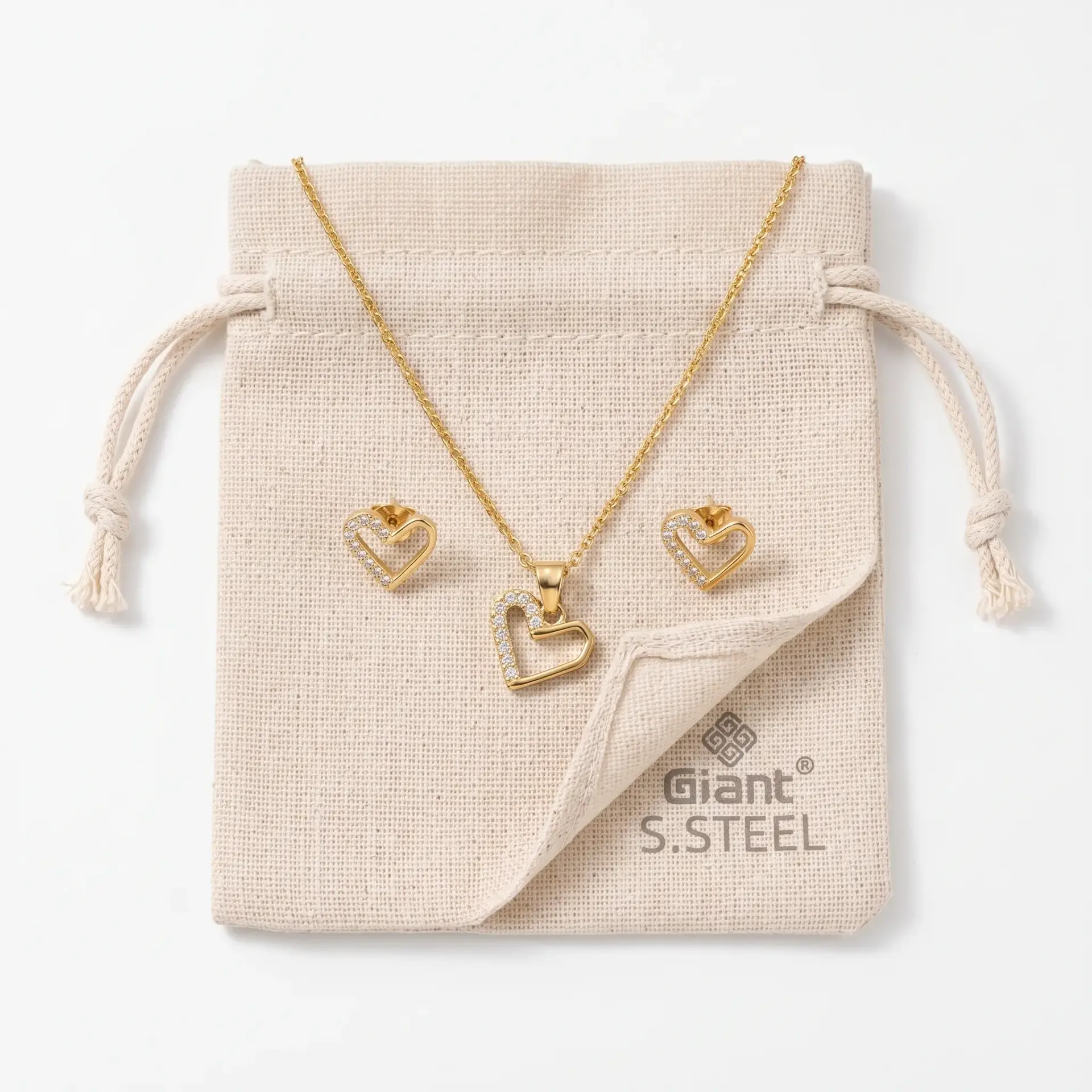
Run the 7 checks and the market splits cleanly: a handful of sets pass with honest photos, real CZ and proper clasps — and price stops being the deciding factor because the passing options all sit in the ₹249-499 band anyway. That is not a coincidence; it is what happens when a store sells volume instead of margin. Our full current range lives on the jewellery gift guide, and if you are buying specifically for an occasion, the wedding-season and Diwali guides cover styling per event.
Frequently asked questions
What is a good price for a quality pendant necklace set online?
₹249-499 gets you a genuine CZ pendant set with a working chain and lobster clasp from a proper store. Below ₹150 you are buying lottery tickets with the chain; above ₹1500 you are paying for branding, not better stones — CZ is CZ at every price point.
Is CZ better than American diamond?
They are the same material — "American diamond" is a marketing name for cubic zirconia. A listing saying "AD stones" is saying CZ; judge the rest of the set on the six other points in this guide.
How long should a ₹249 pendant set last?
With the standard care routine — keep dry, perfume before wearing, wipe and pouch after — months of regular wear is normal, and many customers report a year-plus. Without care, even a ₹2000 set fails; water storage is the top killer at every price.
Can I wear a pendant set in the shower?
No, and this applies to all fashion jewellery including expensive imports. Soap film dulls plating and stones alike. The two minutes you save cost the set its finish — take it off, pouch it, put it back after.
What chain length suits a kurti neckline?
40-45 cm keeps the pendant visible above the neckline curve. Longer chains vanish behind the neckline's deepest point or swing forward when you lean, so for kurtis and office shirts the collarbone zone is the reliable choice.
Shop the products mentioned
Premium weed control mats & jewellery — free shipping above ₹999.